The 8-Minute Rule for Tru-diamonds
The exact same carat weight dimension can look larger or smaller sized depending upon the cut and setting. How to Make the very best Selection: Compare a minimum of three different jewellery collections before getting. Look for brands that supply outstanding value and affordability. Read customer examines to see if the brand name delivers on quality and shimmer.
They include: Cut: How well the ruby shows light. Carat Size: The weight of the ruby. The cut of a ruby affects how much it glows.
You do not need to spend beyond your means to get a gorgeous diamond. Lots of lab-grown rubies use excellent worth compared to natural rubies.
Some Of Tru-diamonds

Ensures diamond top quality and credibility. Verifies the chemical structure matches a real ruby. You can acquire lab-grown diamonds either online or in a physical shop.
In-Store Buying: See the diamond ring, jewelry, or necklace in person. Obtain expert guidance on ruby quality. Do you desire a special involvement ring or an unique ruby arm band?
Use funding planssome stores use 0% interest if you pay in installments. Reviews help you discover regarding ruby quality, customer solution, and general experience.
Lab-grown rubies have the very same shimmer, clearness, and top quality as all-natural rubies. They are made utilizing the very same chemical structure and are optically the same.
Some Known Details About Tru-diamonds
Lab-grown diamonds set you back 30-40% less than all-natural ones. Many all-natural rubies come from extracted sources that may entail unfair labor. Lab-grown diamonds are conflict-free and ethically sourced.
No land damage. Minimized carbon impact. Since they are made in a controlled setup, lab-grown diamonds commonly have much better quality than mined ones. Fewer imperfections. Better light reflection for additional shimmer. Many brands now supply trade-ins and resale alternatives for lab-grown rubies. This makes them a cost-efficient investment. More budget-friendly upfront.
< From nitrogen to boron, the classification of ruby types explains the hidden science behind a ruby's shade and credibility. When it pertains to rubies, the majority of us recognize with cut, shade, quality, and carat weight. Those 4 features describe exactly how a ruby looks and assist identify its value.
That system is called diamond inputting. Ruby typing can sound technological, but the concept is remarkably straightforward. According to the Gemological Institute of America (GIA), diamond kind identifies rubies based upon their chemical structure and atomic structure. Extra particularly, the visibility or absence of micronutrient such as nitrogen or boron.
How Tru-diamonds can Save You Time, Stress, and Money.
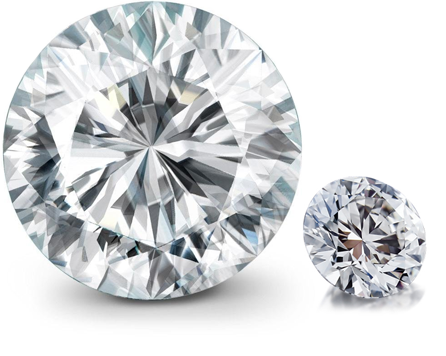
Yes! They look the exact same. Before October 2025 Laboratory Grown and Natural Diamonds made use of exactly the very same grading system and we describe the major attributes of both by making use of the popular terms of covered listed below. In 2025 the GIA introduced that from October 2025 they would no much longer grade Laboratory Grown diamonds making use of the exact same 4Cs system as Natural.
For more up to date details please go to each of the links above. If linked resource you're looking at two graded diamonds that have the exact same grading (eg.
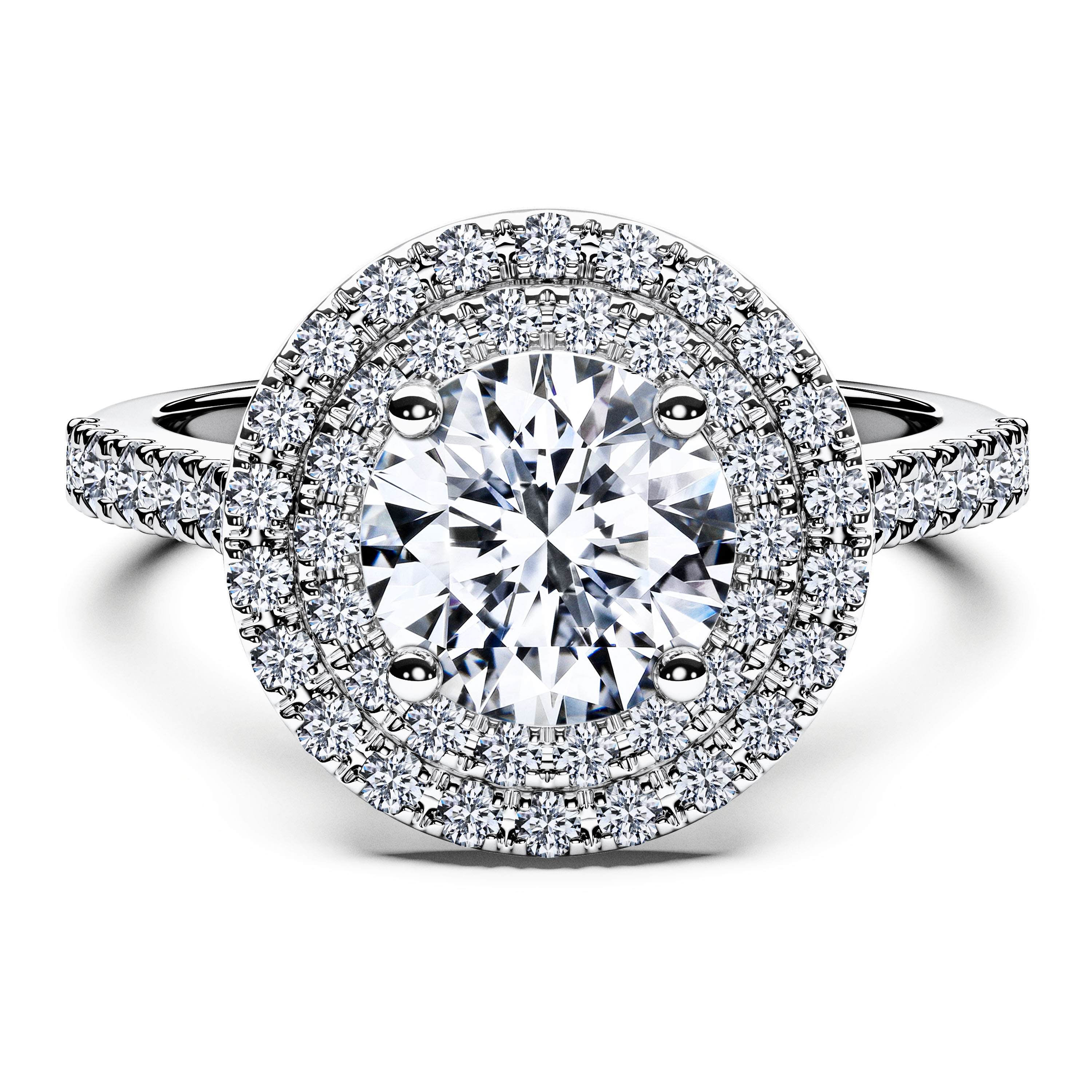
Diamonds over a certain size are commonly offered with a certificate that lists every detail of the diamond being acquired by the customer. Both options are readily available to supply confidence to our customers - Tru Diamonds. Whilst we support that genuine diamond is a Natural Ruby from the earth, we would be crazy to ignore the alternate located in Synthetic Laboratory Expanded rubies especially as clients become much more knowledgeable about them and are becoming extra intentional regarding acquiring them
Not known Details About Tru-diamonds
Openness in our market is of extremely important relevance therefore we feel it is only right to discuss a few of the mixed messaging that is out there on this subject. An Artificial Lab Expanded Ruby is substantially less costly than a Natural Extracted Diamond. Natural diamonds have a limited supply whereas laboratories can produce a limitless supply of the other which proceeds to drive rates downwards.
As a customer, you need to not see a Laboratory Grown Diamond as a financial investment as you are unlikely to see much, if any type of return for your money on the ruby in the future, though the rare-earth elements will likely have value. Tru-diamonds. A Natural Ruby on the various other hand might have some future worth (however do not anticipate to recover what you paid unless a rarer diamond in some means), and somehow maintains something unique having actually been developed in the planet as opposed to above ground in a manufacturing facility somewhere
Considering That the United Nations actioned in and the international diamond industry and federal governments interacted to introduce the Kimberley Process in 2003, things have been much more controlled. To state that Natural Rubies are poor and Laboratory Grown rocks are much more honest is not truly accurate as a covering declaration if all facets are considered.Diamonds are one of one of the most important - and precious - gemstones in the world, so perhaps it is no surprise individuals have attempted to replicate or resemble this incredible gems. It can be challenging to tell a real ruby from a fake one, particularly to the untrained and nude eye.