Revealing the Hidden Aspects of Royal Diamonds: Excellence, Worth, and Elegance
Royal diamonds have long captivated the imagination with their stunning beauty and rich histories. These precious gems transcend simple wealth symbols; they reflect masterful craftsmanship and rare attributes that distinguish them. Exploring their quality, value, and charm provides greater perspective on their meaning. As details emerge, the elaborate nature of royal diamonds prompts additional study of their captivating domain. What makes these jewels truly extraordinary?
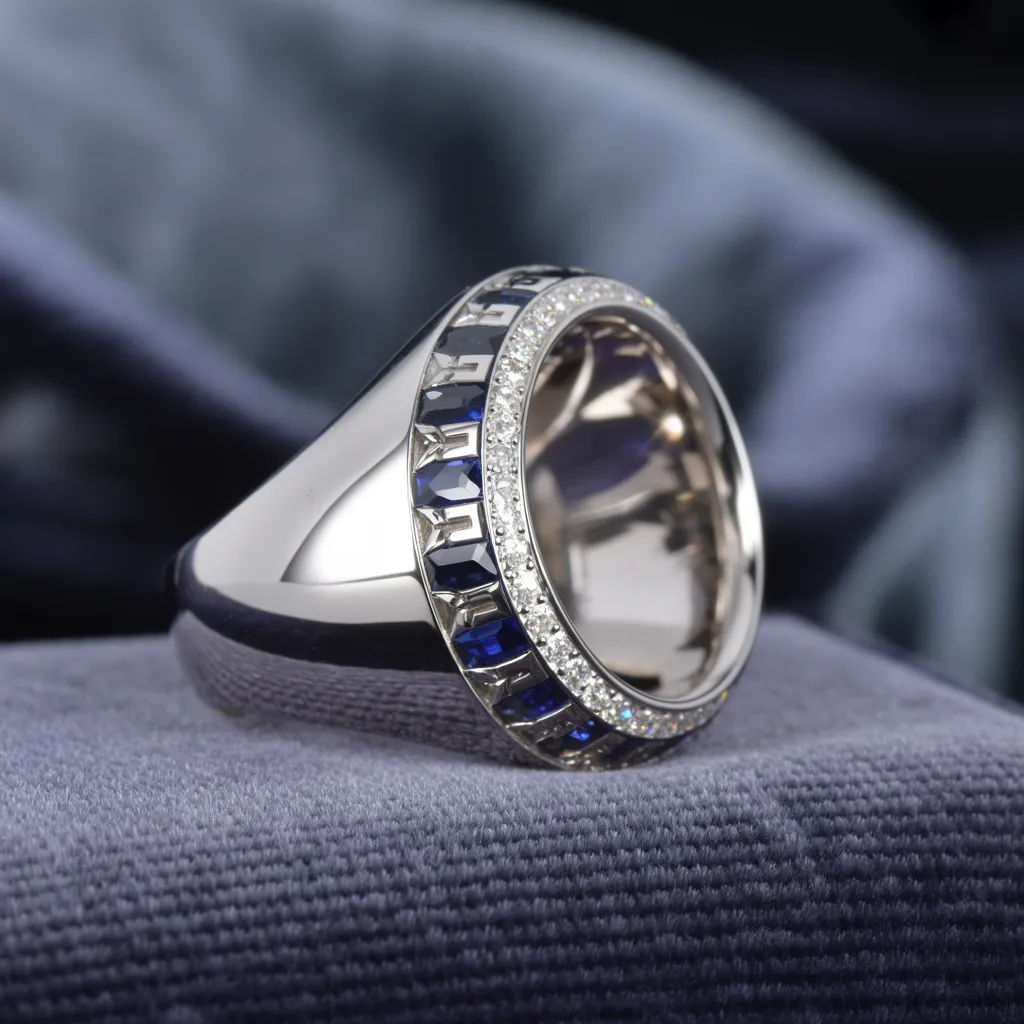
Royal Diamonds: A Historical Overview
The allure of royal diamonds has captivated humanity for centuries, merging with chronicles of power, affluence, and creative mastery. These treasured jewels have graced the coronets and accessories of monarchs from various cultures, symbolizing divine right and authority. From the famous Koh-i-Noor, historically associated with Indian royalty, to the Cullinan Diamond, which was incorporated into the British Crown Jewels, every gem possesses a distinctive heritage.
These regal gemstones commonly originated from volatile eras, representing imperial triumphs, business dealings, and sometimes, the devastating outcomes faced by their holders. These gems functioned beyond simple adornment, operating as tools of political negotiation and social standing. Beyond this, these treasures encouraged craftspeople, energizing expertise that metamorphosed unpolished gems into spectacular artistic achievements. Serving as symbols of luxury, these regal stones persistently captivate enthusiasts and scholars, exemplifying a lasting preoccupation with where aesthetics meets authority across centuries.
Learning About Diamond Quality: The Four Cs
The assessment of diamond quality is primarily conducted through the Four Cs: cut, color, clarity, and carat weight. Every factor serves a crucial function in determining a diamond's general value and beauty, impacting how light engages with the stone. Understanding these factors enables consumers to make informed selections when acquiring royal diamonds.
Diamond Cut: Artistry and Sparkle
The cut determines a diamond's nature, influencing its radiance and general appeal. The craftsmanship required for shaping a diamond greatly impacts how light engages with it, defining the brilliance and fire that capture the eye. A expertly-crafted cut maximizes a diamond's promise, elevating its visual allure. Aspects such as symmetry, proportions, and polish contribute to the total quality of the cut. Gemologists often examine these factors to assign a grade, which indicates how successfully the diamond reflects and refracts light. The ideal cut not only increases the stone's beauty but also boosts its value in the market. Thus, grasping the art of cutting is vital for recognizing the true essence of royal diamonds.
Coloration: Hue Level and Grade
Color plays a substantial role in determining a diamond's quality and overall appeal, augmenting the impact of cut. The tone of a diamond is evaluated on a scale from D (colorless) to Z (light yellow or brown), with colorless diamonds being the most desirable. This grading system reflects the diamond's ability to refract light, amplifying its brilliance and fire. A diamond's value reduces as it approaches the Z grade, as the presence of color can reduce its allure. Additionally, rare fancy color diamonds, which exhibit distinct hues such as blue, pink, or yellow, can command remarkable prices. In summary, the color grading considerably influences a diamond's desirability and market value, making it a essential factor for buyers.
Clearness: Purity and Internal Features
Clarity represents a vital aspect that substantially impacts their total quality and worth. This element pertains to the presence of inclusions and the overall purity of the stone. Inclusions, which can be tiny crystals, feathers, or other imperfections, impact a diamond's sparkle and aesthetic beauty. The Gemological Institute of America (GIA) grades clarity on a scale from Flawless to Included, with higher grades indicating fewer or less visible inclusions. A diamond's clarity notably affects its price point; those with fewer inclusions are frequently more coveted. While some inclusions are minuscule and don't influence beauty, larger or more visible flaws can diminish a diamond's attractiveness, making clarity a critical consideration for potential buyers.
What Makes Royal Diamonds Unique
Royal diamonds stand out due to their outstanding clarity standards, distinguishing them from common stones. Moreover, they exhibit exceptional color variations that amplify their value and appeal. Distinctive cut techniques further elevate their remarkable beauty, making each royal diamond a one-of-a-kind masterpiece.
Superior Clarity Standards
The assessment of diamonds frequently focuses on clarity, a critical aspect that defines their overall quality and appeal. Royal diamonds are set apart by their exceptional clarity standards, displaying minimal inclusions and blemishes that are virtually undetectable to the naked eye. These diamonds typically reach grades of VS1 (Very Slightly Included) or higher, ensuring that their beauty is uncompromised. The clarity of these gems is not merely a technical measure but also contributes significantly to their brilliance and fire, allowing light to pass through with minimal obstruction. Consequently, royal diamonds are highly sought after, as their clarity enhances their overall desirability and value. Collectors and connoisseurs alike appreciate the rarity of such flawless specimens, further reinforcing their status in the luxury market.
Uncommon Hue Forms
Chromatic variations in diamonds bring a remarkable dimension to their allure, mesmerizing collectors and enthusiasts alike. Among royal diamonds, rare hues including blue, pink, green, and yellow are prominent, each having distinctive characteristics that enhance their desirability. The intensity of color holds an vital role in establishing value; more saturated shades typically command premium prices. For instance, intense pink diamonds are notably sought after, with their limited availability intensifying their appeal. Additionally, the origin of the color can influence perceptions; diamonds from select regions may get details be valued for their special tones. This captivating spectrum of colors both elevates the visual beauty of royal diamonds and also indicates their scarcity, making them prized treasures in the world of gemstones.
Distinctive Cut Styles
Producing a royal diamond demands an expert understanding of unique cut techniques that amplify its natural beauty and brilliance. These techniques often involve innovative shapes and proportions that enhance light performance, producing enchanting sparkle. For instance, the use of the "Royal Cut" highlights symmetry and precision, permitting each facet to interact harmoniously with light. Additionally, advanced faceting styles, such as the modified brilliant cut, can accentuate the diamond's inherent color and clarity, transforming it truly exceptional. Each cut is precisely designed, taking into account the diamond's unique characteristics and the desired visual impact. This careful artistry not only increases the diamond's aesthetic appeal but also greatly contributes to its overall value, setting royal diamonds apart in a crowded luxury market.
Historic Monarchial Diamonds Throughout History
All through history, royal diamonds have symbolized and captivated power, wealth, and prestige. The Koh-i-Noor, once the largest diamond in the world, has a storied legacy, transitioning through various monarchies before becoming part of the British Crown Jewels. Another extraordinary gem, the Hope Diamond, with its deep blue hue, is enveloped in legends of misfortune and has been connected with several royal owners. The Cullinan Diamond, the largest gem-quality diamond ever found, was given to King Edward VII and later fashioned into several stunning pieces in the British Crown Jewels. The Imperial State Crown contains the Black Prince's Ruby, a spinel that has embellished crowns for centuries, illustrating the blend of myth and history enveloping these jewels. Each of these diamonds carries with it a narrative of ambition, conquest, and the timeless allure of royalty, making them timeless treasures in the world of gemstones.
The Expertise Behind Royal Diamond Jewelry
As the creation of royal diamond jewelry involves meticulous attention to detail, expert craftsmen utilize a combination of conventional practices and modern breakthroughs to turn raw gems into stunning works of art. Every piece initiates with the selection of the most exceptional diamonds, frequently acquired from prestigious mining locations. These diamonds undergo meticulous cutting, where master gem cutters use advanced technology to achieve maximum brilliance and fire.
How the diamonds are set is just as crucial; skilled artisans typically hand-forge complex designs that enhance the stones' natural beauty. Techniques such as filigree and engraving introduce complexity and distinction, showcasing the craftsmanship involved.
Furthermore, the use of premium metals, such as platinum and gold, complements the diamonds while providing durability. The final pieces are refined to perfection, mirroring light and catching the eye. This combination of artistry and technique produces royal diamond jewelry that embodies refinement, sophistication, and timeless beauty.
The Significance of Royal Diamonds in Today's Market
The artistry and craftsmanship that define royal diamond jewelry not only enhance its aesthetic appeal but also substantially affect its market value. In today's market, royal diamonds are greatly coveted for their rarity and exquisite quality. Factors such as cut, clarity, color, and carat weight play crucial roles in determining their worth. Additionally, the provenance of these diamonds significantly impacts their valuation; stones with a notable heritage or connection to distinguished figures often command elevated price points.
With the growing demand for ethically sourced and sustainably mined gemstones, royal diamonds that satisfy these standards are becoming more valued. The luxury market is continuously growing, with consumers ready to purchase pieces that signify wealth and refinement. Therefore, royal diamonds not only hold their value but typically appreciate with time, making them a smart investment for enthusiasts and collectors. This dynamic landscape emphasizes the enduring allure of royal diamonds in the today's market.
Maintaining Your Royal Diamonds: Preservation and Maintenance
Appropriate maintenance is crucial for maintaining the radiance and value of royal diamonds. Consistent cleaning is crucial, as debris and oils can lessen their sparkle. A mild solution of warm water and soft soap, applied with a soft brush, effectively removes residue without inflicting damage. It is suggested to stay away from harsh chemicals or abrasive materials that could damage the surface.
Adequate storage is equally essential; these precious stones must be stored individually in soft pouches or lined boxes to avoid damage from other pieces. Routine inspections by a skilled jewelry professional can help spot any unstable settings or emerging concerns, maintaining long-term preservation.
Moreover, wearing royal diamonds with care can minimize exposure to compounds such as chlorine or saltwater, which may deteriorate both metal and stone. By adhering to these care practices, owners can maintain the exquisite visual appeal and natural value of their royal diamonds for future generations.
Your Questions Answered
How Do I Verify the Authenticity of a Royal Diamond?
To verify a royal diamond, one should contact a certified gemologist for examination. The specialist will assess the diamond's properties, including cut, clarity, color, and carat weight, verifying it meets recognized authenticity benchmarks.
Are Royal Diamonds Ethically Sourced?
Royal diamonds can come from ethical sources, but confirming this is vital. Buyers should seek certifications from reputable organizations that guarantee responsible mining practices, therefore promoting ecological sustainability and just labor practices throughout the diamond supply chain.
What's the Resale Worth of Royal Diamonds?
Resale values for royal diamonds commonly vary based on aspects like quality, rarity, and market demand. Typically, they maintain significant value, often surpassing initial purchase prices, especially when acquired ethically and accompanied by proper certification.
Do Royal Diamonds Include Certification?
Royal diamonds typically come with certification from trusted gemological institutes, guaranteeing their quality and authenticity. These certificates supply essential information concerning the diamond's cut, clarity, color, and carat weight, strengthening buyer confidence and value assessment.
What Trends Influence Royal Diamond Prices?
Market demand, rarity, historical importance, and celebrity endorsements greatly influence royal diamond prices. Market conditions and international trends in premium goods also serve essential roles in defining their comprehensive worth and demand among collectors and investors.